Grouting Instructions
Once your mosaic is finished and the glue or cement has dried, you can grout.
First, make sure that all the pieces are well stuck by turning over your mosaic and shaking it a little. If pieces fall off, glue them back and wait until the glue has set.
Choose a suitable grout colour. As a general rule, use a neutral colour that will blend in with your main colour tone. For example, if your mosaic is mainly light and white, you can use a white grout or a pale grey. For a darker mosaic, or multicoloured, use a neutral grey. For a dramatic and contrasting effect, use a dark grey or even black grout.
Spoon half of the grout powder in a pot and add a little water. Mix well and add more water carefully so that your grout is not too liquid. You want to aim for a toothpaste consistency. If the grout is too liquid, add some of the remaining grout powder.
Once the grout is mixed and smooth without bits, you can spread it onto your mosaic with a knife, a spatula or any spreader such as a plastic spoon or plastic card, pushing it into the joints until all the joints are filled. Wait a few minutes for the grout to start setting.
Wipe the surface clean with a paper towel, until most of the grout on the tiles has gone. If you need to add more grout in some areas, do this now. If some mosaic pieces fall off while you are wiping the surface, take them out and wait until the entire grouting process is finished before gluing them back again.
Wait for another 30 minutes, and then clean the surface again with a lightly damp sponge. Repeat until the surface is clean and shiny. Glue back any piece that may have fallen off, and regrout around it if necessary, repeating the wiping and cleaning process as above.
Finish after 24 hours with a scratchy sponge to remove any remaining grout stains, and apply a little white wine vinegar to make the tiles shine.
Happy Grouting!
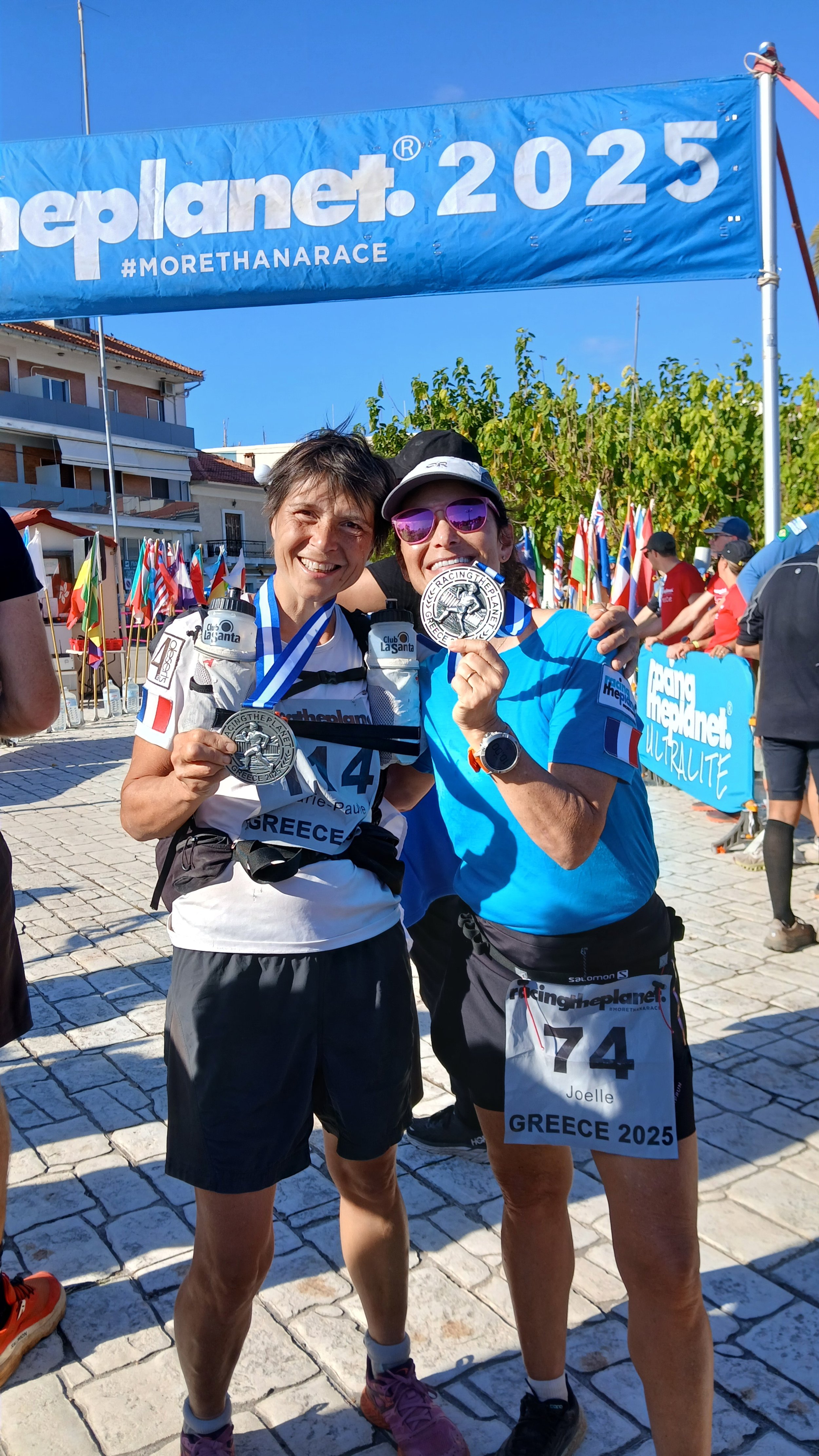
RacingThePlanet Greece: an Ultramarathon in the Peloponnese

On September 28th 2025, 160 competitors crossed the start line to commence the ultimate challenge of crossing the Peloponnese in the footsteps of the Spartans, through very technical and difficult terrain in sometimes severe weather conditions. The first night, the camp was close to being evacuated due to heavy rain and flooding risk, my mattress was floating on a 10 cm bed of water under the tent floor. The first day was hard, with over 2000 metres elevation. The Beauty of the region made up for all the challenges and hardship.


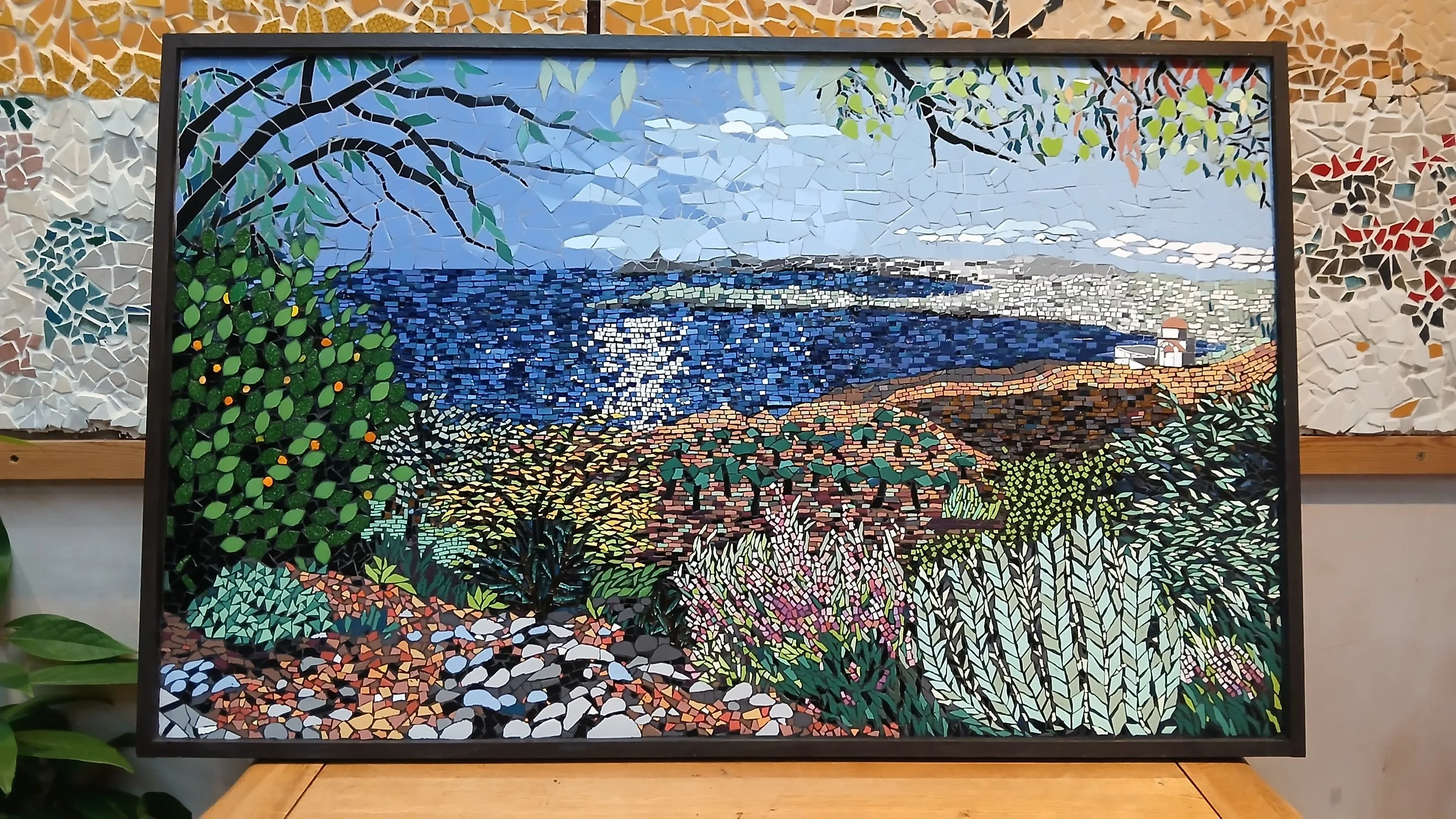
The race went through magnificent and varied countryside, from mountain tops akin to an Alpine vista - and climate - to dry olive tree covered valleys in the Spartan plain, all the way to the sea, bordered by orange and lemon groves.
Everywhere, pomegranate trees, chestnut trees, fig trees, growing wild. The constantly changing weather made for dramatic skies and atmospheres, and the temperatures were luckily not too hot for the season.
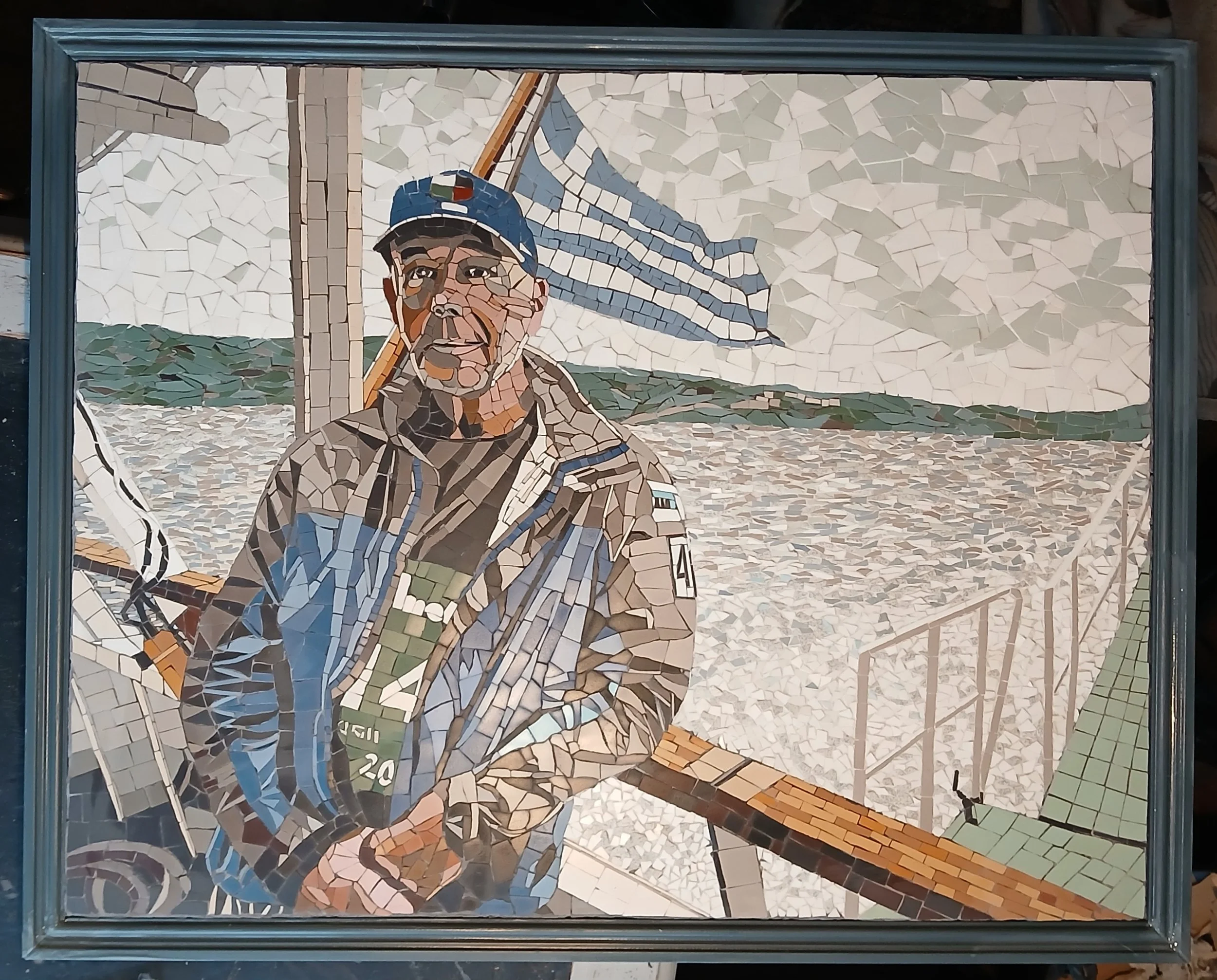
The competitors reached the final destination of Ermioni where a medal and a truly deserved feast of pizza beer and Greek delicacies awaited the wary warriors. This was one of my preferred races, the views being magnificent and diverse every day, cultural discoveries, hidden monasteries and caves, the terrain challenging and fun, and the friends and the RacingthePlanet family making this experience memorable!





Rando Lorraine-Occitanie
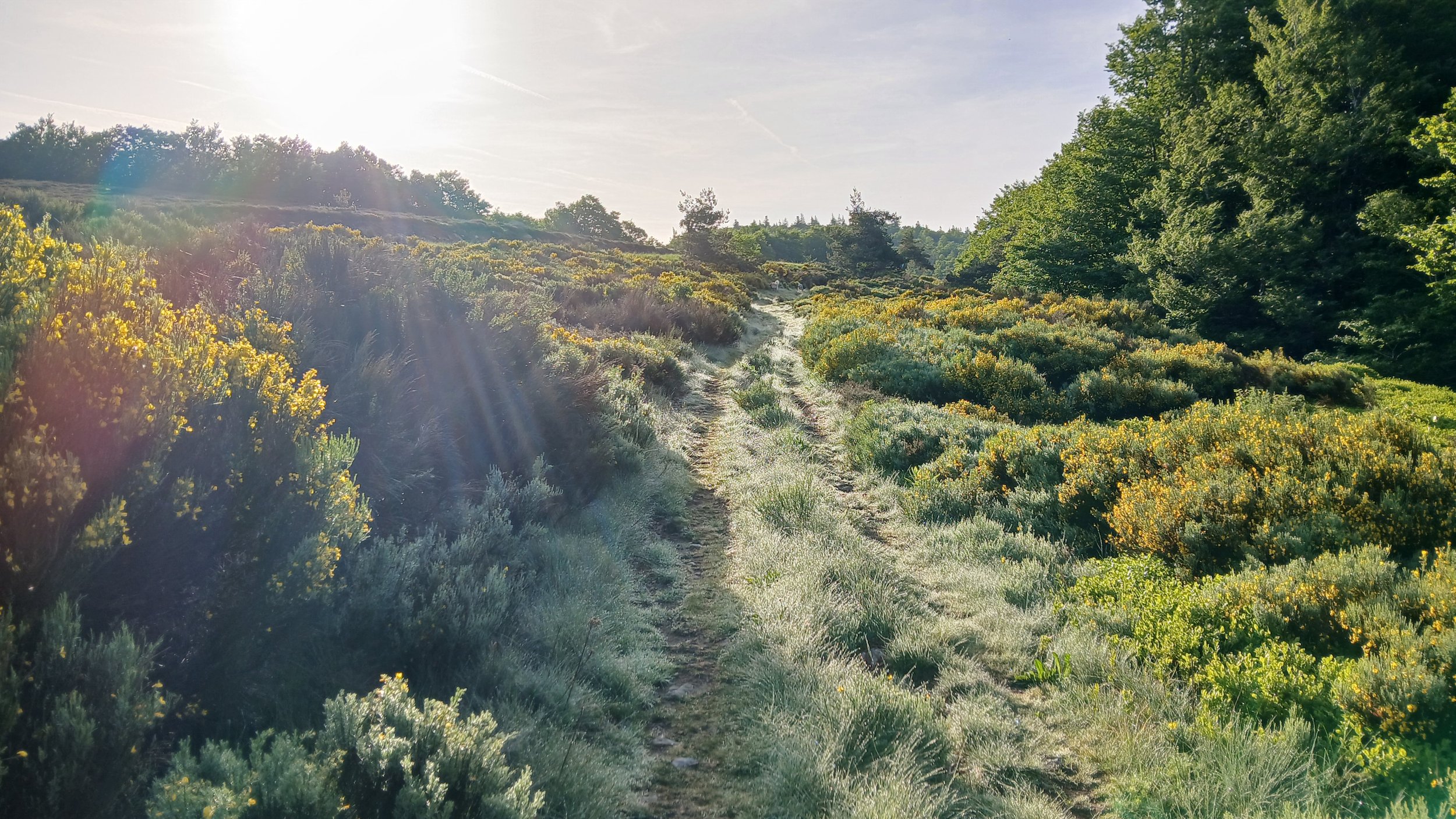
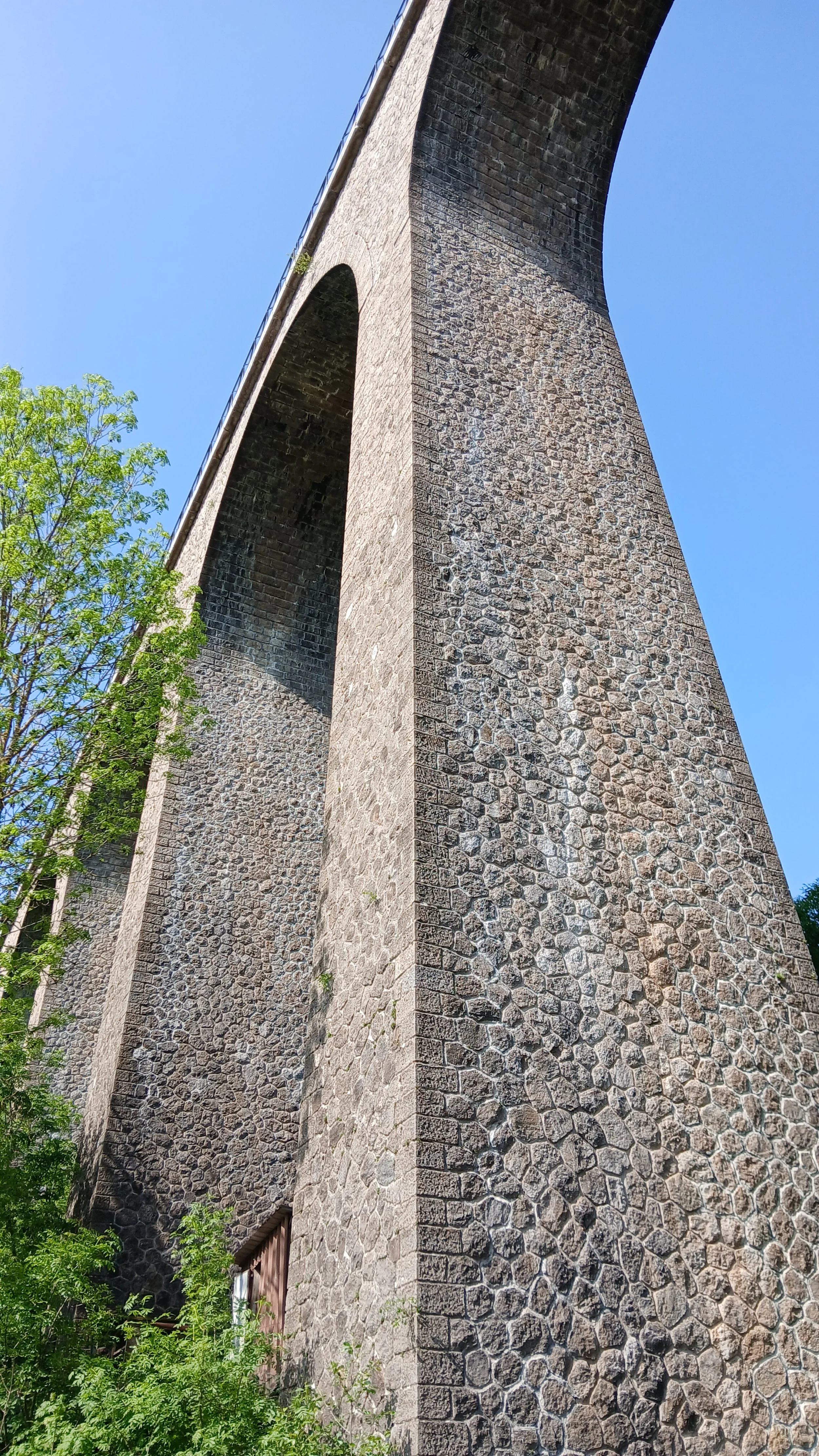
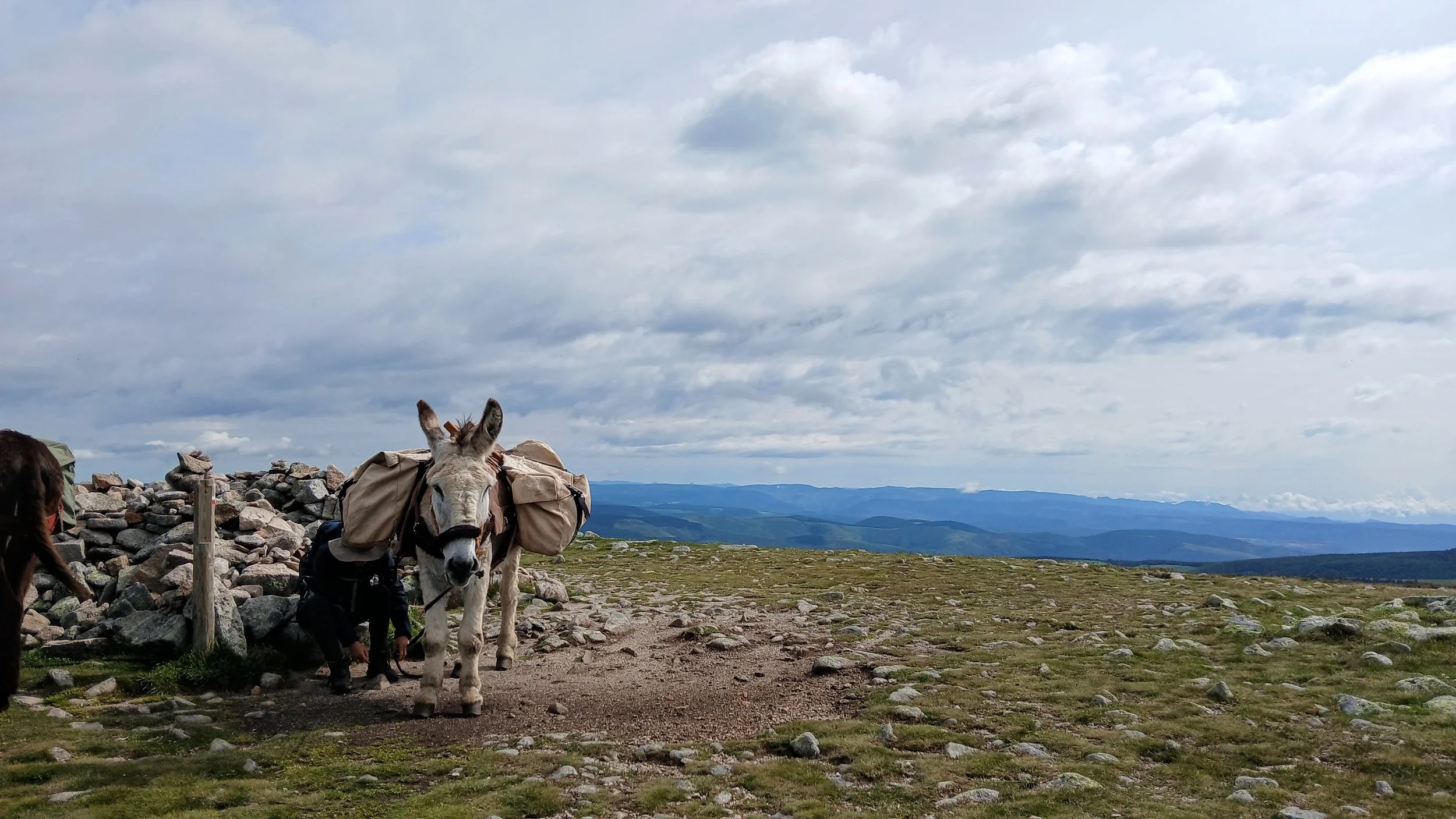
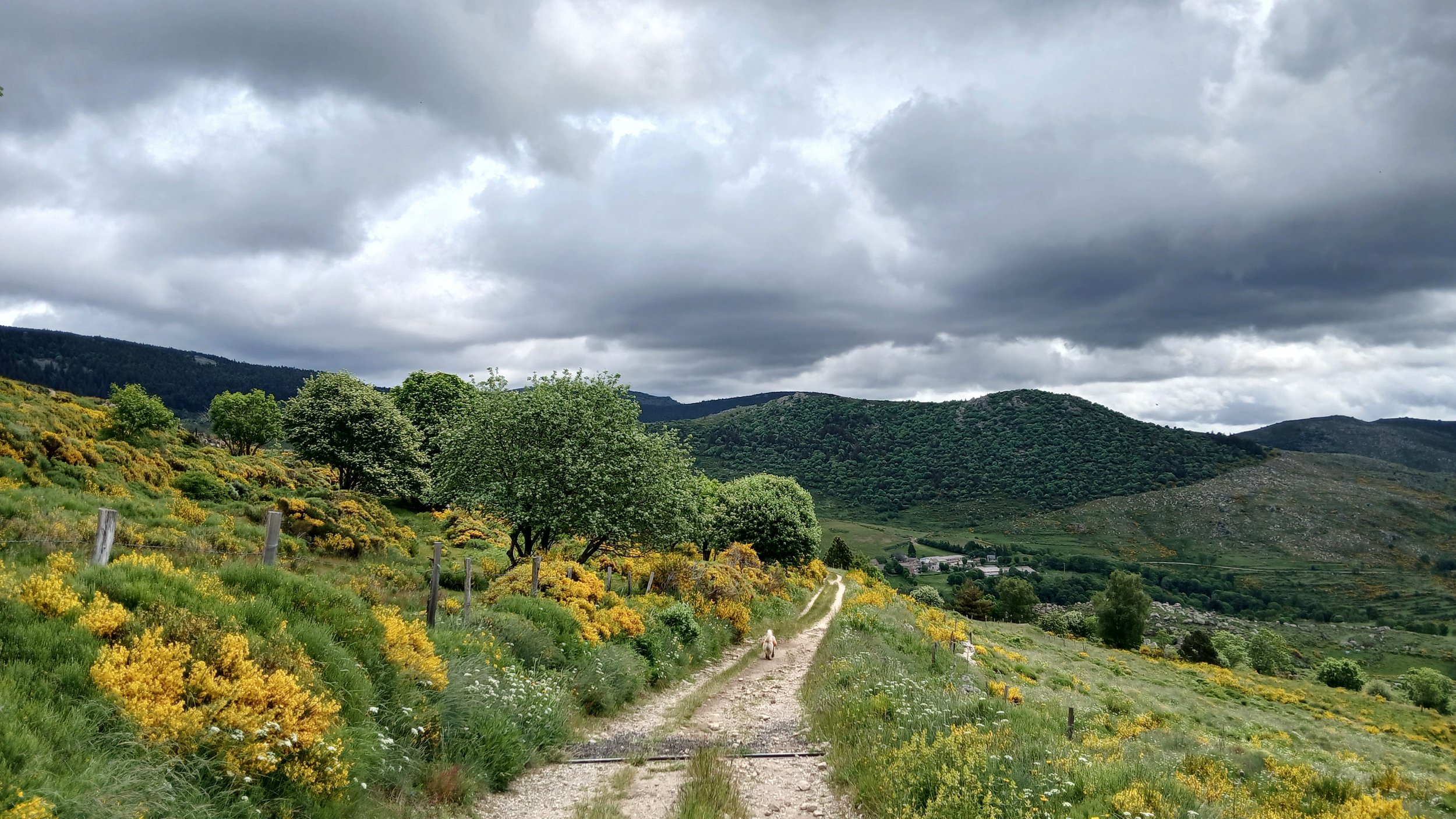
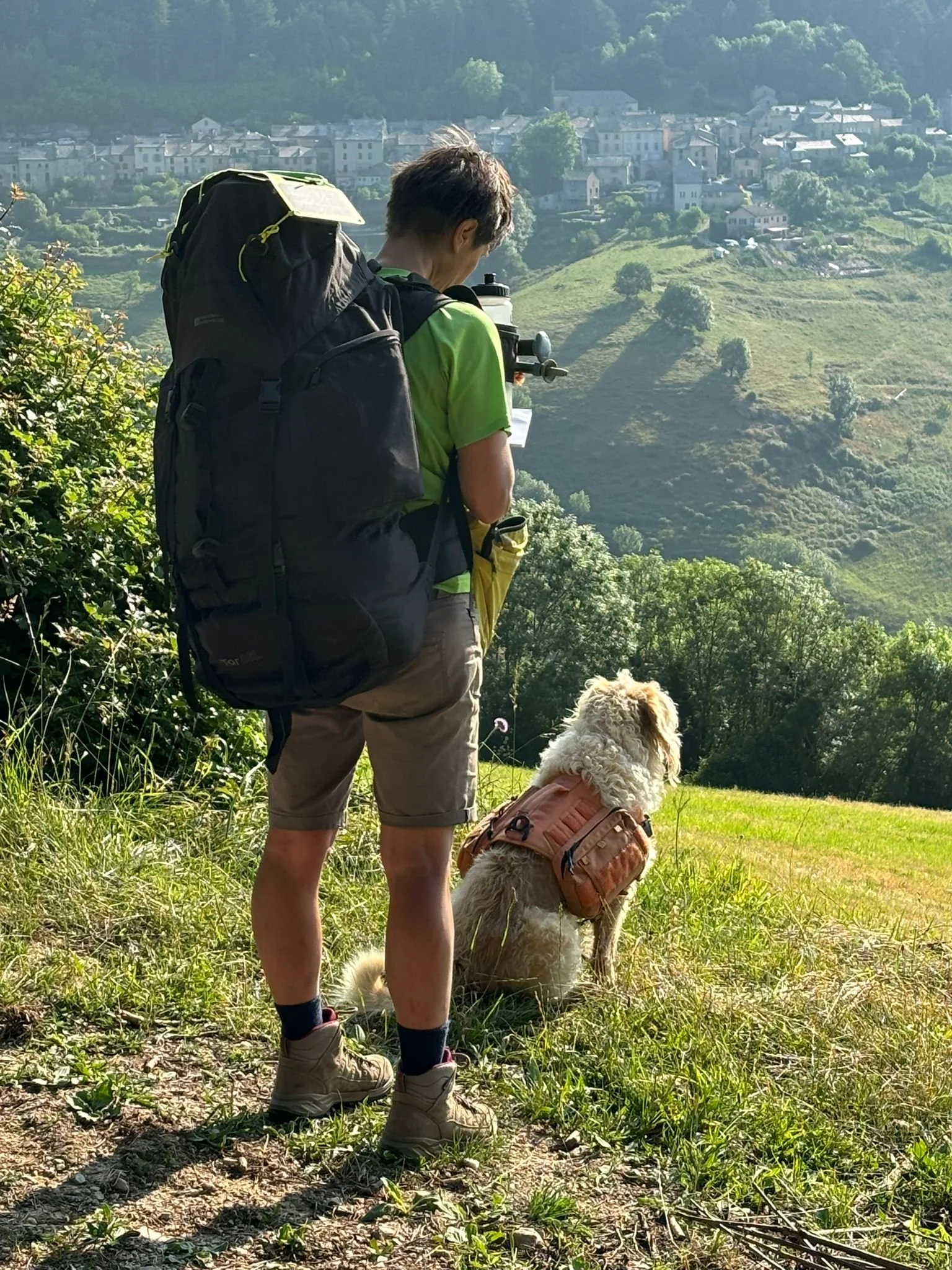
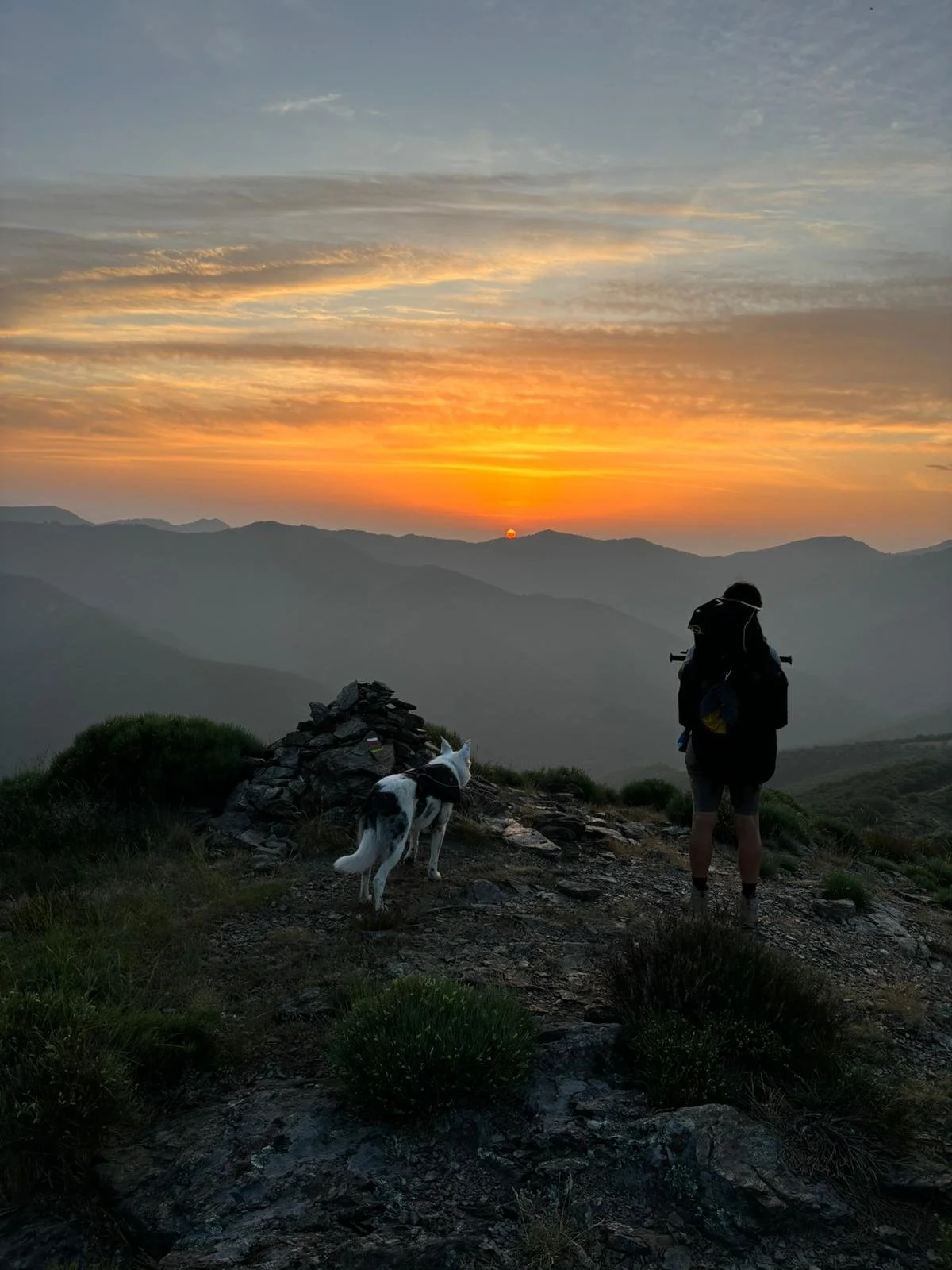
In May and June 2025, I set out to hike from Dieuze, in Lorraine, to Toulouse, in the Occitanie Region with my two dogs Asti and Mika. This took 50 days, and 830 km. We finished a week short, in Montpellier, due to a heat wave. Below, a sample of the beauty of the French Massif Central.





Le Club Les Retrouvailles


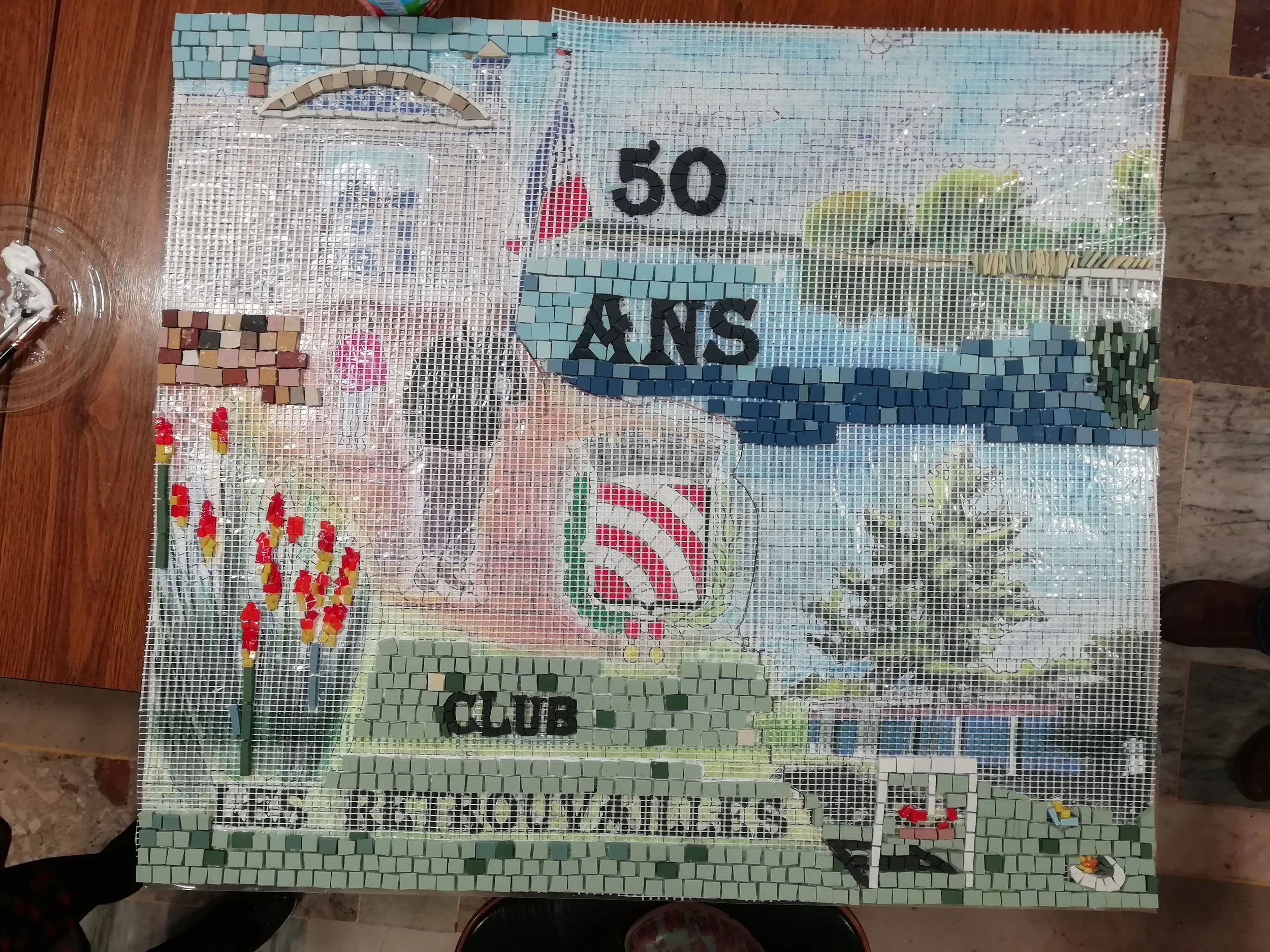
Ci-dessous, les ateliers de fabrication, une fois le design final réalisé, avec les lignes d’andamento.

Le 7 janvier, lors du dernier atelier des vacances d’hiver, nous avons réalisé un quart de la mosaique, et il nous reste encore 3 ou 4 ateliers avant le printemps.
Le premier jour, conception et echantillons


Le GR20 Nord, June 2024

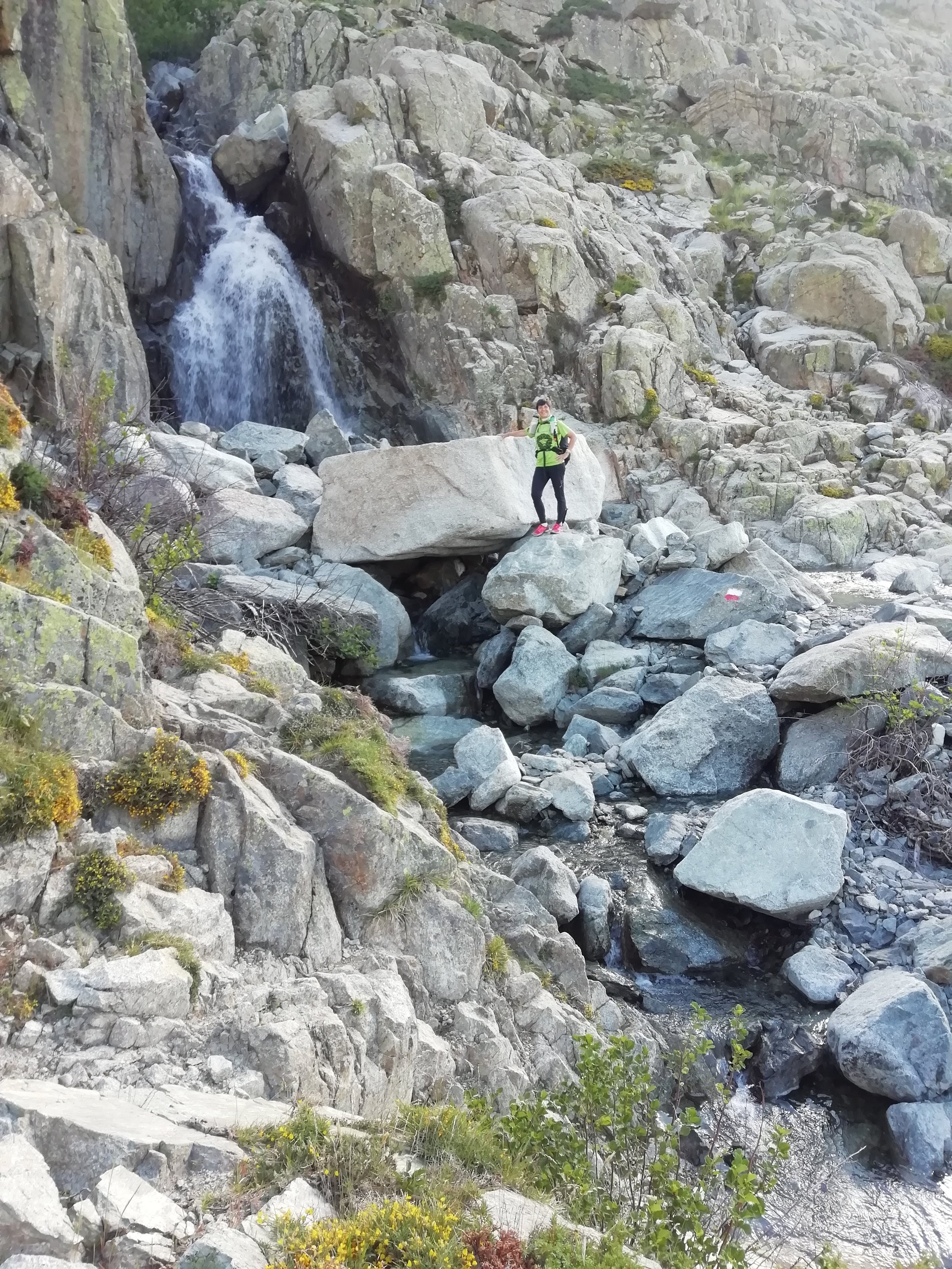
Early June 2024, I decided with anxiety and excitement to finally hike the infamous GR20 (chemin de grande randonnée in Corsica) with my friend Niandi, an experienced mountain hiker and ultramarathoner. The GR20 is a national trail in Corsica, allegedly the most difficult trail in Europe. I was warned.
We started in Calenzana, the starting point of the northern section of the hike. The first two days were a shock to the system, I was secretly wondering whether to give up now and save my belly fat, but the scenery was incredible and I am not a giverup (giveupper?). I am glad that I continued, this was the most challenging and beautiful trek I have had the chance to complete.


The Petra Piana refuge

Niandi tackling the slippery slabs
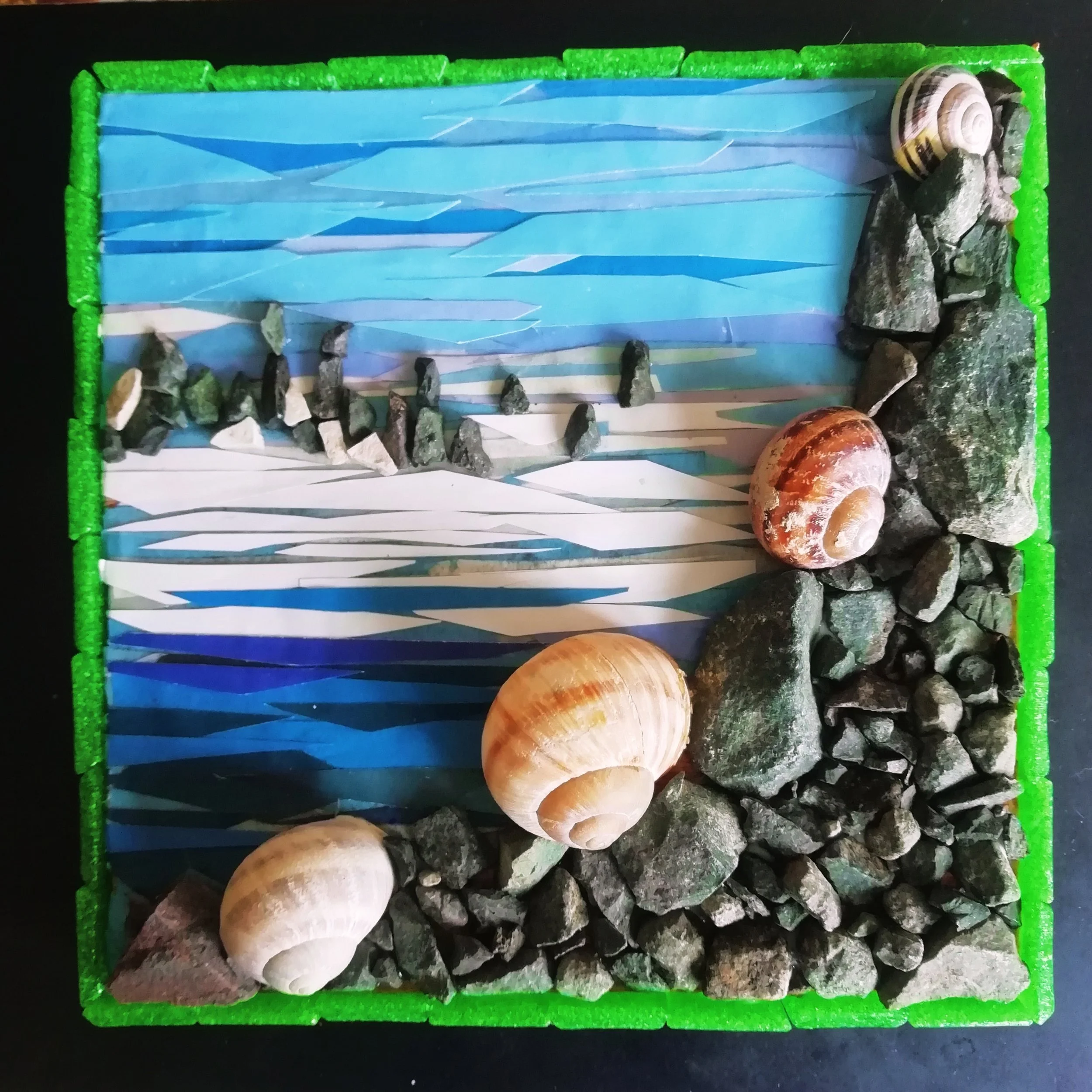
A little mosaic of the GR20, on the difficult section between Vaccaghja bergerie and Petra Piana

The iconic tree on the Castel de vergio to Vaccaghja trek

Below are mosaics using rubbish as tesserae. The little prince is made entirely with cat food pouches, cut and folded in lines triangles or circles, whilst attending a workshop in the Lake District hosted by the master of all trashart, my teacher and mentor Francesca Busca. Please do visit her website, which shows a variety of innovative and fun creations with recycled materials and rubbish collected over sometimes many years. It is very different from all other mosaic websites.
The smaller middle and right mosaics below are samples of a larger project in development, made with newspaper, magazines, pet food wrappers and pouches, junk mail and drinks cans.

TRASH ART


This commission was created using marble and a few smalti by reverse technique, on plywood. Grouted in grey, black and brown.
The reverse technique is useful when working with marble, as the cut pieces can be uneven. I grouted the back first, then applied on it a plywood covered with cement-based tile adhesive.

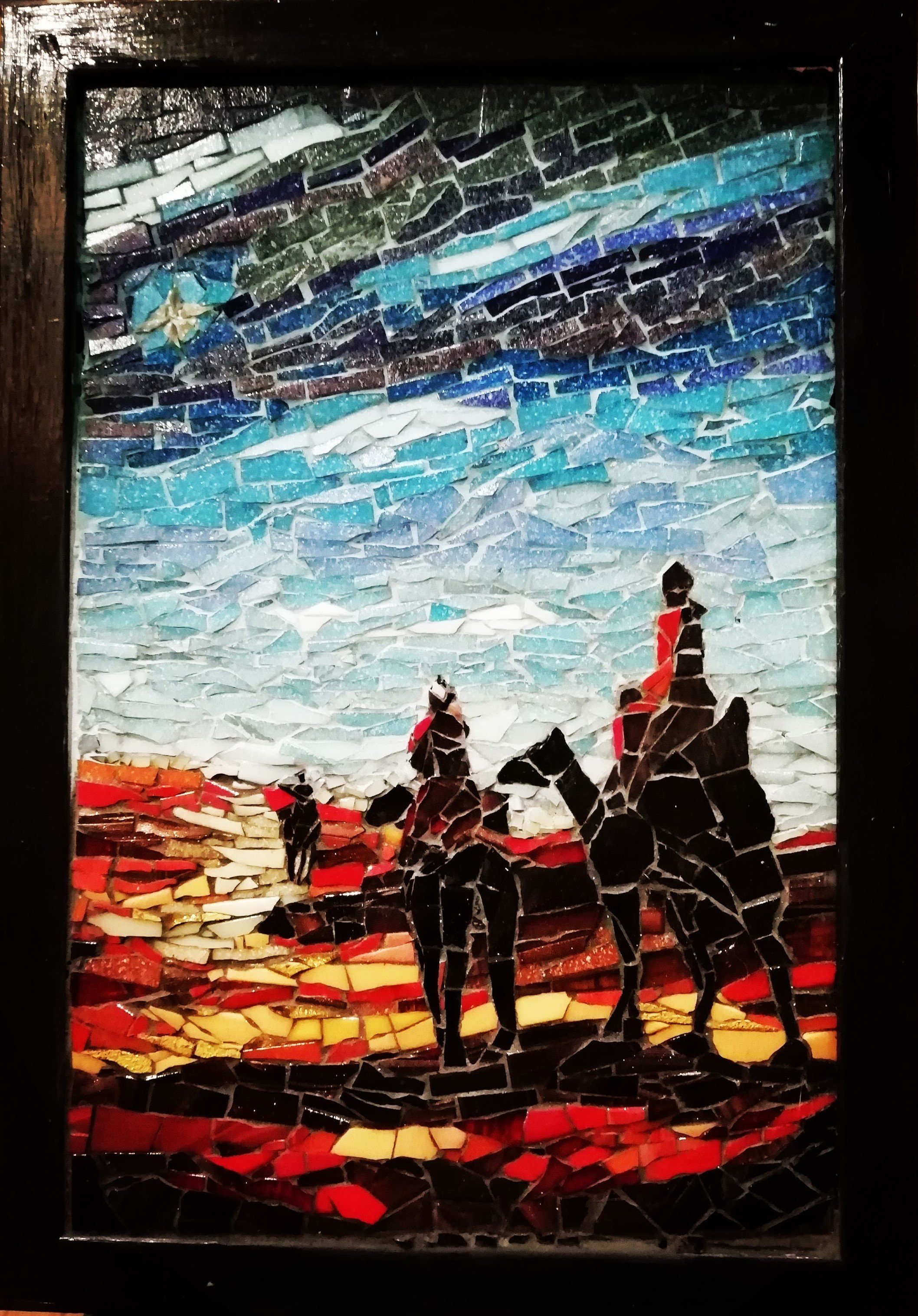
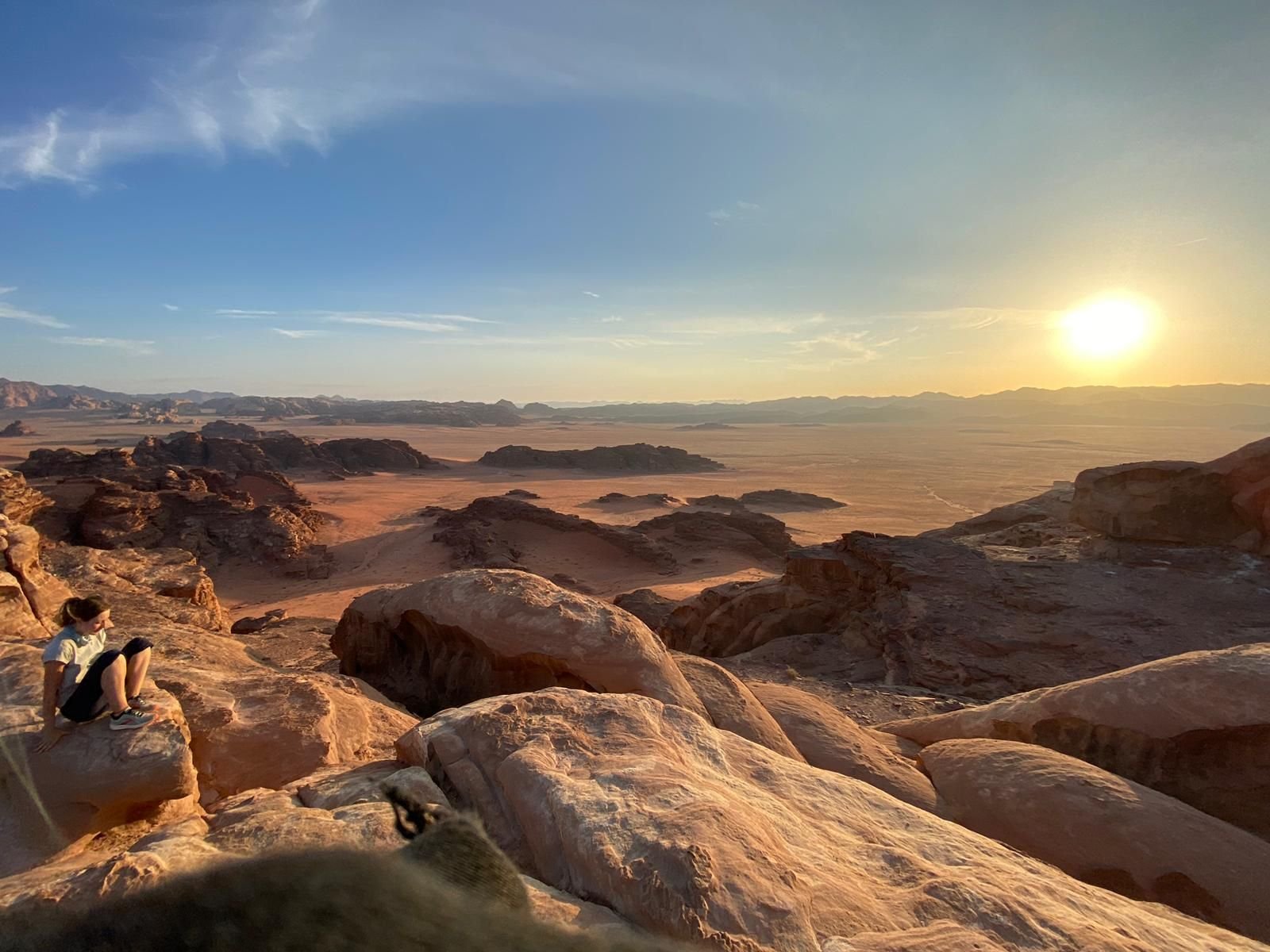
This is a small commission in A4 format, a reproduction of a postcard of the three Kings. This came at a synchronistic time on my return from a fantastic hiking trip in Jordan, November 2023.